Mara Günther · 7 November 2026
How Real-Time Data Dashboards Are Reshaping Supplier Negotiations in Boutique Online Marketplaces
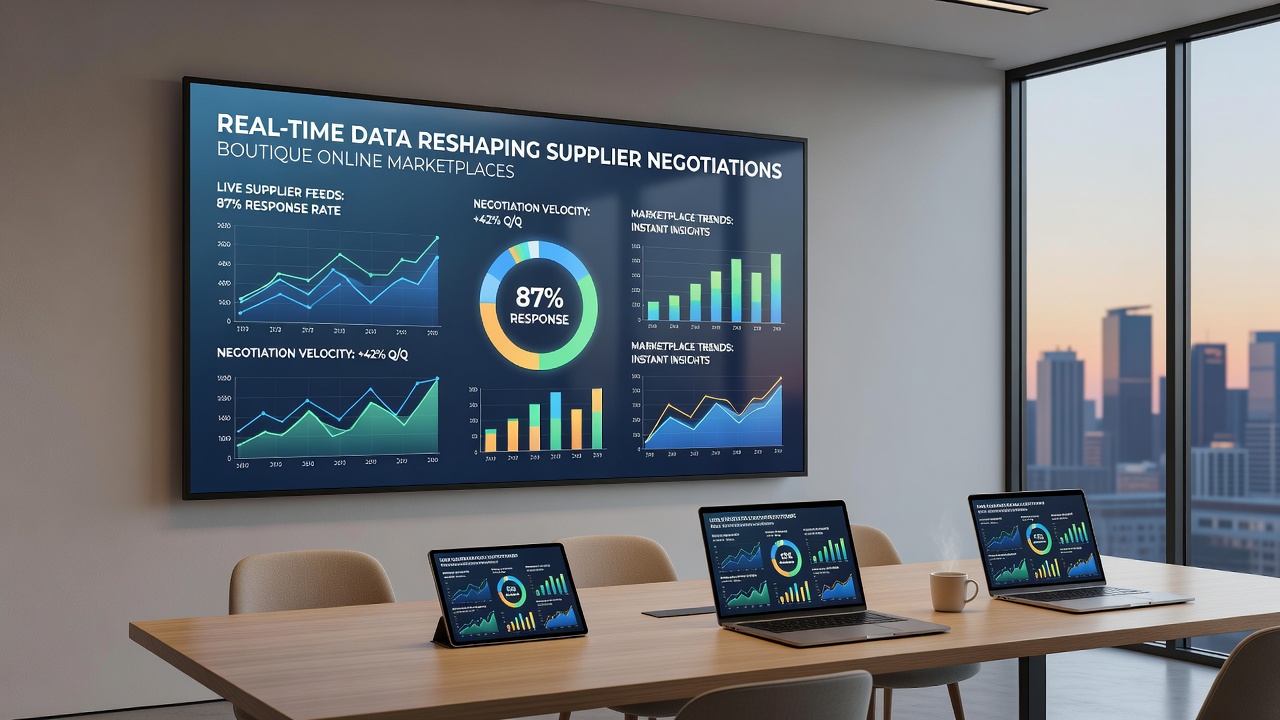
Real-time data dashboards have become central tools in supplier negotiations across boutique online marketplaces, where specialized platforms connect niche vendors with targeted buyers. These systems aggregate live feeds from inventory levels, sales velocity, and competitor pricing, which give procurement teams immediate visibility into supply chain dynamics. Observers note that platforms integrating such dashboards report faster agreement cycles because both parties reference the same datasets during discussions.
Core Components of Dashboard-Driven Negotiations
Data streams from point-of-sale systems, logistics trackers, and customer behavior logs feed directly into these interfaces, while algorithms highlight patterns such as seasonal demand spikes or supplier lead-time variations. Boutique marketplaces handling artisanal goods or limited-run products rely on these visualizations to quantify order volumes and margin thresholds without relying on static reports that lag behind market shifts. Researchers at institutions tracking e-commerce trends have documented how access to granular metrics changes the balance during contract renewals, especially when vendors propose price adjustments based on raw material costs.
One study revealed that marketplaces adopting unified dashboards reduced negotiation back-and-forth by integrating live alerts for stock discrepancies. Procurement managers then reference exact figures on order fulfillment rates rather than estimates, which streamlines conversations about volume commitments or exclusivity clauses. By November 2026, adoption rates across European and North American niche platforms had climbed noticeably, with many operators citing reduced disputes over delivery timelines as a direct outcome.
Practical Applications in Vendor Discussions
Take the example of a platform specializing in sustainable textiles where dashboard metrics showed a 23 percent rise in repeat purchases for certain fabric lines. Negotiators used that evidence to secure extended payment terms from suppliers, tying concessions to projected inventory turnover. Similar patterns appear in marketplaces focused on specialty foods, where real-time spoilage data informs discussions on minimum order sizes and return policies. Industry reports from the OECD indicate that transparent data sharing through these tools correlates with higher retention among smaller vendors who previously felt disadvantaged by larger competitors' information advantages.
Platforms also incorporate external benchmarks, such as currency fluctuation trackers or regional shipping cost indices, which appear alongside internal performance graphs. This layering allows both sides to address external pressures like tariff changes without separate research rounds. Australian Bureau of Statistics figures on digital retail growth underscore how such integrations support smaller operators in maintaining competitive edges during annual supplier reviews.

Emerging Patterns and Platform Adaptations
What's interesting is how these dashboards now include scenario modeling features that project outcomes from different contract structures, such as tiered pricing based on delivery speed. Vendors receive the same model outputs, which reduces information asymmetry and encourages collaborative adjustments. Data from university-led analyses of North American marketplaces shows increased use of these projection tools in negotiations involving perishable or seasonal goods. Platforms in the EU have adapted interfaces to comply with data-sharing regulations while still providing actionable insights for both parties.
Yet the shift extends beyond numbers to workflow changes. Teams schedule review sessions around dashboard updates rather than fixed calendar dates, and some marketplaces embed chat functions that pull live metrics into discussion threads. This setup supports quicker resolutions when unexpected events like port delays appear in the data feeds. Observers tracking these developments point to measurable drops in contract amendment frequency once live visibility became standard.
Conclusion
Real-time dashboards continue to influence supplier negotiations by supplying shared, current information that replaces fragmented or outdated records. Boutique marketplaces using these systems demonstrate consistent improvements in agreement speed and clarity, supported by metrics from multiple regional sources. As platforms refine their tools through 2026 and beyond, the emphasis remains on integrating reliable data streams that support balanced discussions between vendors and operators.