Cameron Simmons · 24 October 2026
How Niche Platforms Manage Inventory Synchronization During Demand Peaks
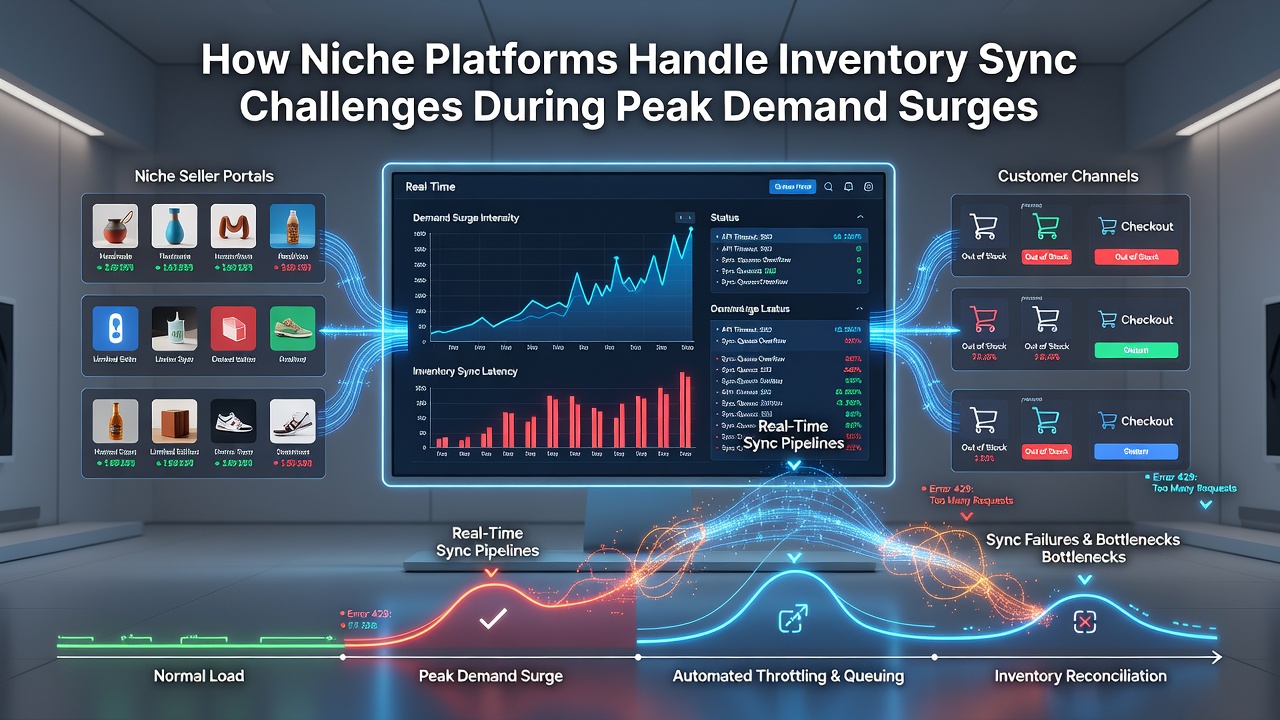
Niche platforms encounter distinct pressures when sudden demand surges strain their inventory systems, and synchronization across vendor networks often determines whether stock levels stay accurate or fall into mismatch errors. These specialized marketplaces typically operate with smaller teams and fragmented supplier bases, which means data must flow between independent seller dashboards and central catalogs without lag or duplication. Research from industry reports indicates that peak events, such as holiday rushes or limited-edition releases, can increase transaction volumes by factors of five to ten within hours.
Core Synchronization Challenges
Real-time consistency becomes difficult when multiple sellers update stock quantities independently while customer orders arrive simultaneously, and latency in API calls can leave platforms showing items as available long after they sell out elsewhere. Observers note that niche sites often rely on third-party tools for catalog management, yet these integrations sometimes fail to propagate changes across all connected channels during rapid influxes. Data from e-commerce analyses shows that desynchronization rates climb sharply once order velocity exceeds baseline thresholds by more than 300 percent.
October 2026 saw several specialty collectibles platforms report extended sync delays after a surprise product drop triggered thousands of concurrent checkouts, while vendors continued manual adjustments on their own dashboards. Such events highlight how limited server capacity and batch-processing schedules create bottlenecks that standard polling intervals cannot handle. Experts have observed that smaller platforms face higher risks because they lack the redundant infrastructure common among larger marketplaces.
Technical Approaches in Use
Many platforms turn to event-driven architectures that push inventory changes as soon as they occur rather than waiting for scheduled pulls, and this shift allows downstream systems to receive updates within seconds instead of minutes. Cloud-based queuing services help absorb traffic spikes by buffering requests until core databases catch up, whereas traditional direct database writes often produce conflicts under load. Studies published by the OECD on digital market infrastructure reveal that platforms adopting distributed ledger elements for stock tracking reduce reconciliation errors by measurable margins during test surges.
Additional safeguards include regional caching layers that serve read requests from nearby nodes while writes route through a central authority, and this separation prevents overload on primary storage during flash sales. Vendors receive alerts through dedicated channels when local counts approach zero, prompting them to pause listings before overselling occurs. One documented case involved a craft marketplace that integrated webhook triggers across fifty independent supplier systems, cutting sync lag from an average of four minutes to under fifteen seconds during its busiest quarter.
Operational Adjustments and Vendor Coordination
Platform operators frequently establish pre-surge protocols that require vendors to lock inventory counts hours in advance, while automated reconciliation scripts run in the background to flag discrepancies. Training sessions for sellers emphasize the importance of immediate status updates, and some marketplaces offer financial incentives for compliance during known high-volume windows. Figures from Statistics Canada on digital retail operations indicate that coordinated vendor programs correlate with fewer canceled orders once demand accelerates.
Buffer stock agreements also appear in several niche sectors, allowing platforms to draw from shared reserves when individual seller feeds lag behind actual sales velocity. These arrangements require clear contractual terms around liability and restocking timelines, yet they provide breathing room that pure synchronization cannot deliver alone. Researchers at academic institutions have examined similar models in European specialty food markets and found measurable improvements in fulfillment accuracy when buffers accompany technical sync layers.
Monitoring and Recovery Practices
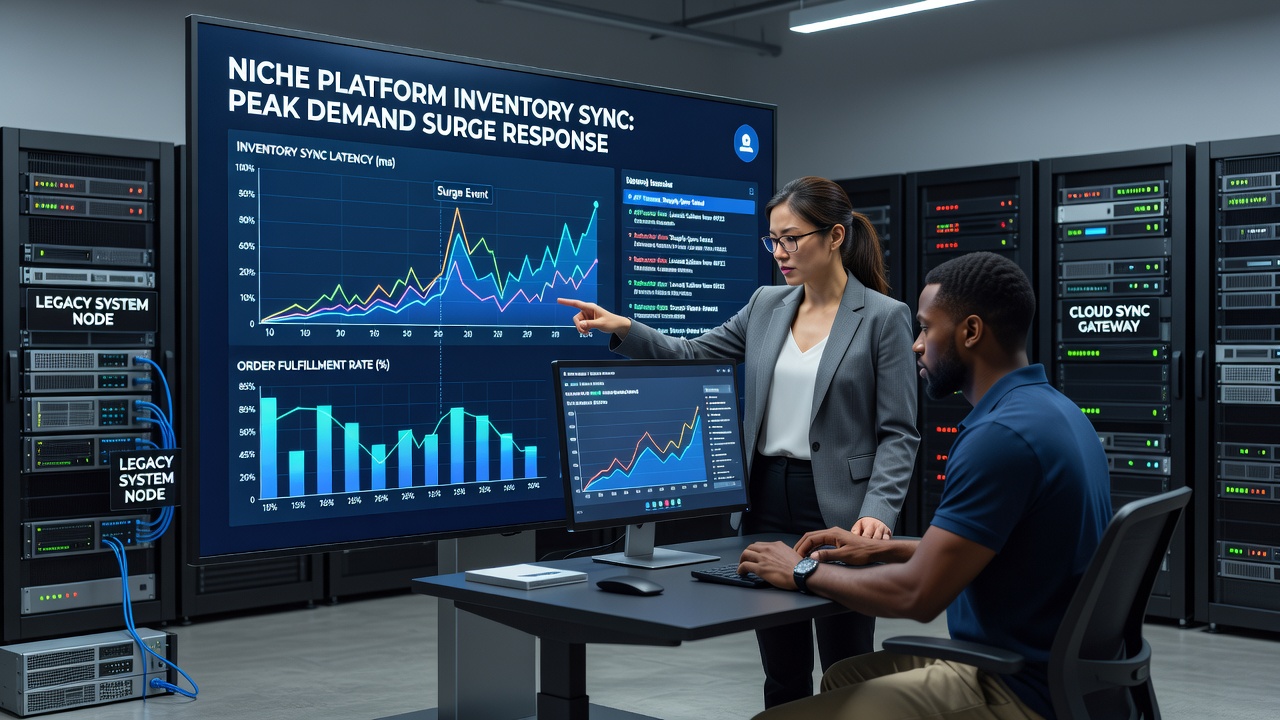
Continuous monitoring dashboards track sync health metrics such as update latency and mismatch frequency, triggering alerts when thresholds are crossed. Recovery procedures often involve freezing new orders on affected listings until manual or scripted reconciliation completes, and this pause prevents further divergence between displayed and actual availability. Industry organizations tracking retail technology note that platforms investing in these monitoring tools experience shorter downtime windows during peak periods compared with those relying on reactive fixes.
Post-event reviews compile logs from every connected system to identify persistent failure points, and the resulting reports guide adjustments to queuing rules or API rate limits for future surges. Such iterative refinement helps niche platforms maintain reliability even as their vendor networks grow in complexity over successive seasons.
Conclusion
Inventory synchronization on niche platforms during demand surges relies on a combination of architectural choices, vendor protocols, and monitoring routines that together keep stock data aligned across distributed systems. Evidence from multiple regions demonstrates that platforms applying event-driven updates and coordinated buffers achieve more stable performance when transaction volumes rise sharply. Continued refinement of these methods supports accurate order fulfillment as specialized marketplaces scale their operations through recurring peak cycles.