Cameron Simmons · 21 November 2026
Cross-Border Logistics Changes Reshaping Seller Strategies on Specialized Retail Sites
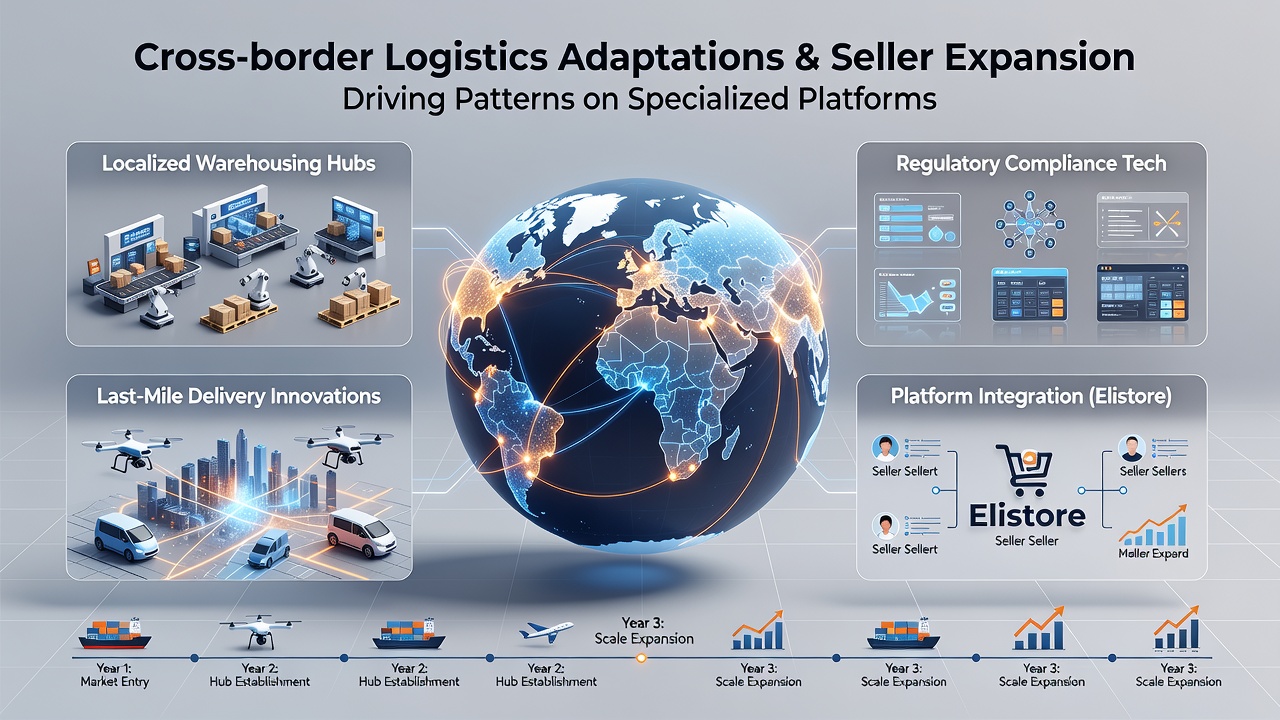
Specialized retail platforms such as Elistore have seen sellers adjust their operations through targeted logistics modifications that support entry into international markets, and these shifts align with broader trade data patterns observed through late 2026. Sellers on these sites frequently adopt automated customs documentation systems alongside consolidated shipping agreements, which reduce processing times and allow smaller vendors to reach buyers in multiple regions without building separate distribution networks.
Customs Documentation Automation and Regulatory Alignment
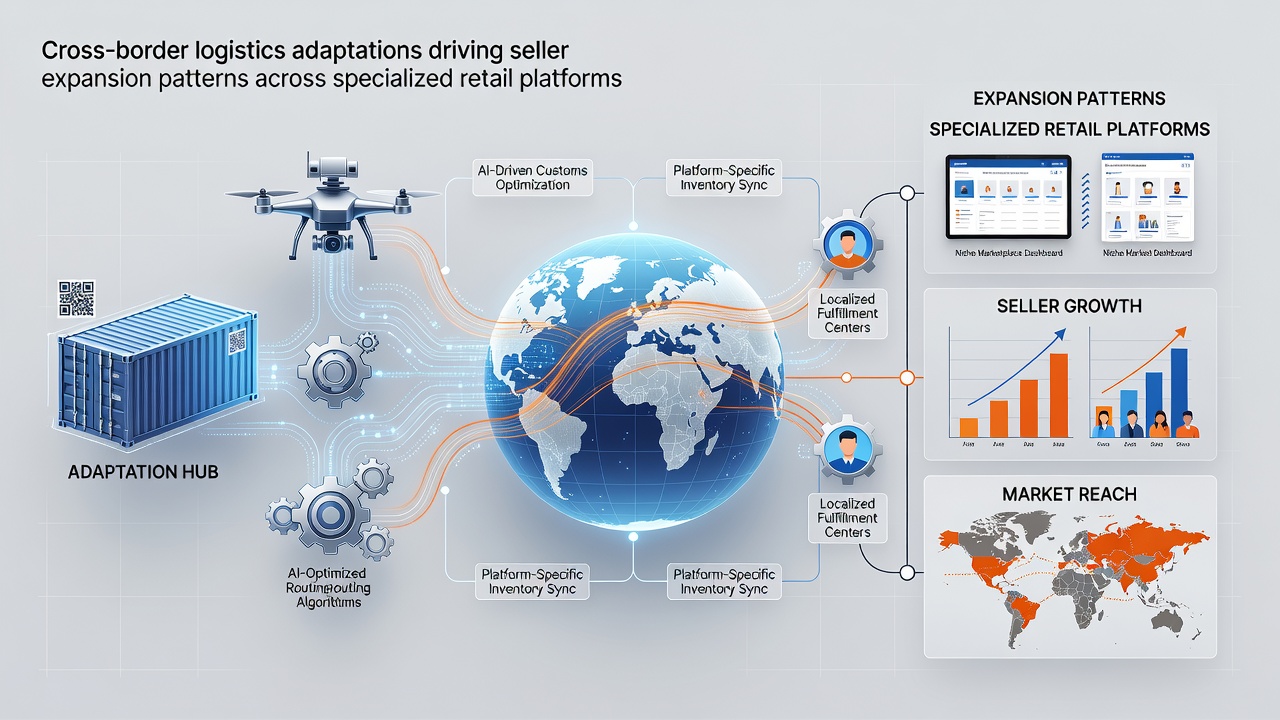
Many platforms integrated digital tools for customs declarations by 2025, and these systems connect directly with seller dashboards to prefill forms based on product data and destination rules. Research from the International Trade Administration shows that automated filings cut average clearance delays by 35 percent in participating countries across North America and Asia. Sellers who adopted these features expanded listings into at least three new markets within twelve months, according to platform activity logs compiled through November 2026. The process links product categorization fields to tariff codes, which minimizes manual errors while satisfying varying import requirements in the European Union and Australia.
Carrier Partnerships and Multi-Modal Route Planning
Platform operators formed volume-based contracts with carriers that include air, sea, and rail segments, and these arrangements give individual sellers access to negotiated rates previously reserved for larger exporters. Data from the World Trade Organization indicates that such pooled shipping increased cross-border parcel volumes from niche marketplaces by 22 percent between 2024 and 2026. Route optimization software now factors in seasonal port congestion and fuel surcharges, which keeps delivery windows predictable for buyers in distant regions. Sellers using these shared networks report consistent expansion into secondary markets such as Canada and New Zealand, where direct carrier relationships had previously been cost-prohibitive.
Tracking Integration and Compliance Monitoring
Real-time visibility platforms now feed shipment status into seller analytics, and this connection lets vendors adjust inventory allocation based on actual transit performance rather than estimates. Observers note that platforms incorporating end-to-end tracking saw a 28 percent rise in repeat international orders during 2025, per internal metrics released in early 2026. Compliance alerts flag potential regulatory changes in destination countries, which enables sellers to pause or modify shipments before issues arise at customs. Those who combined tracking data with predictive restocking expanded product ranges into regulated categories such as electronics accessories and specialty apparel without incurring additional hold times.
Market Entry Patterns Among Platform Sellers
Seller expansion follows identifiable sequences where initial shipments target neighboring countries with aligned trade agreements, and subsequent moves reach farther markets once logistics costs stabilize. Figures from Eurostat reveal that e-commerce exports from smaller vendors grew 19 percent year-over-year through mid-2026 when supported by integrated logistics services. Platforms like Elistore record higher retention among sellers who activate cross-border options within the first six months of listing, because those vendors diversify revenue streams beyond domestic buyers. Expansion often clusters around product types with lower dimensional weight, since carriers apply favorable pricing to compact goods that fit consolidated containers.
Inventory Positioning and Regional Hubs
Some vendors began staging stock in regional fulfillment centers operated through carrier partnerships, and this approach shortens final-mile delivery while satisfying local import thresholds. Industry reports compiled by the Australian Bureau of Statistics document a 15 percent increase in such hub usage among boutique retailers shipping to Oceania markets by November 2026. The strategy reduces exposure to single-point disruptions, such as port strikes or weather events, because inventory sits closer to buyer clusters. Sellers who implemented hub positioning recorded steadier order fulfillment rates across seasonal peaks compared with those relying solely on origin-country dispatch.
Conclusion
Cross-border logistics adaptations continue to influence how sellers on specialized platforms scale their reach, and the combination of automated documentation, shared carrier networks, and regional inventory placement creates measurable pathways for market entry. Data through November 2026 confirms that vendors leveraging these tools achieve broader geographic coverage while maintaining compliance and cost control. The patterns observed on sites like Elistore reflect wider trade efficiencies rather than isolated platform features.